



Quick Specifications
| Purity (%) | 98.9 |
|---|
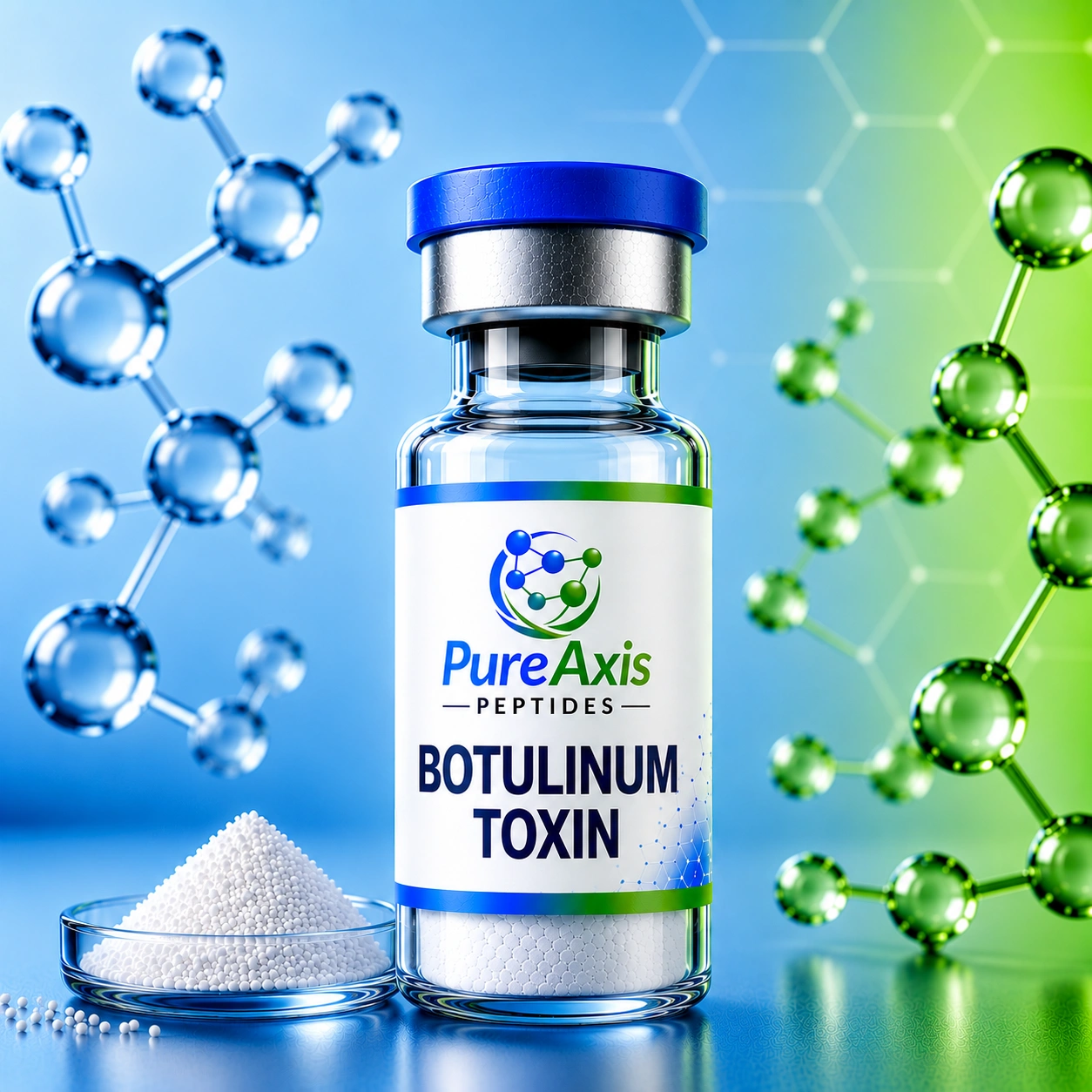
Botulinum Toxin Research Material
Botulinum toxin is a highly potent neurotoxic protein produced by Clostridium botulinum. It has been extensively studied as a molecular tool for investigating neuromuscular-junction function, synaptic transmission and acetylcholine release.
The Pure Axis Peptides catalog identifies Botulinum Toxin as a research material for neuromuscular research.
Because botulinum neurotoxins are exceptionally potent biological toxins, research involving these materials requires appropriately qualified personnel, suitable institutional controls, applicable regulatory authorization and validated laboratory safety procedures.
What Is Botulinum Toxin?
Botulinum neurotoxins are bacterial proteins that target nerve terminals. Their best-characterized biological effect involves disruption of acetylcholine release at cholinergic nerve terminals, producing inhibition of neuromuscular transmission.
This distinctive mechanism has made botulinum neurotoxins important experimental tools in neuroscience and synaptic biology.
Research can investigate how toxin-mediated modification of intracellular proteins involved in vesicle fusion affects communication between neurons and target cells.
Botulinum Toxin and Neuromuscular-Junction Research
The neuromuscular junction is the specialized synapse through which motor neurons communicate with skeletal muscle.
Botulinum neurotoxins are particularly useful as research subjects because their molecular targets are components of the machinery responsible for neurotransmitter release.
Research areas include:
- Neuromuscular-junction biology
- Synaptic transmission
- Acetylcholine release
- Neurotransmitter vesicle fusion
- Synaptic-vesicle biology
- Neurotoxin mechanisms
- Neuronal signaling
- Muscle-nerve communication
- Molecular neurobiology
Botulinum Neurotoxin and Acetylcholine Release
Normal neuromuscular transmission requires the release of acetylcholine from presynaptic nerve terminals.
Botulinum neurotoxins interfere with this process by targeting proteins involved in synaptic-vesicle fusion. Different botulinum neurotoxin serotypes have distinct intracellular protein targets within the SNARE-associated neurotransmitter-release machinery.
This makes botulinum neurotoxins valuable subjects for research into the molecular mechanisms governing regulated exocytosis and synaptic communication.
Botulinum Toxin Research Applications
Qualified research programs may investigate botulinum neurotoxins in areas including:
Synaptic Biology: Studying mechanisms governing neurotransmitter release.
Neuromuscular Research: Investigating communication between motor neurons and muscle cells.
Neurobiology: Examining neuronal signaling and synaptic-vesicle function.
Molecular Biology: Studying toxin-protein interactions and intracellular targets.
Exocytosis Research: Investigating the molecular machinery responsible for vesicle fusion.
Neurotoxin Research: Comparing mechanisms and molecular targets among bacterial neurotoxins.
Research Context
Botulinum neurotoxin research has contributed substantially to scientific understanding of regulated neurotransmitter release and the molecular machinery controlling synaptic vesicle fusion.
The toxins are also associated with important clinical and public-health research because botulism is a serious neuroparalytic illness. Scientific work involving botulinum neurotoxins therefore requires a substantially higher level of biosafety, institutional oversight and regulatory compliance than ordinary peptide research.
Important Safety and Regulatory Information
Botulinum toxin is not an ordinary research peptide. It is an exceptionally potent neurotoxin capable of causing severe paralysis and potentially fatal respiratory failure.
This product should only be considered within appropriately authorized professional research environments. It should not be administered to humans or animals outside an appropriately regulated research or medical setting.
Pure Axis Peptides product information should always be reviewed together with the applicable certificate of analysis, safety documentation, regulatory requirements and institutional procedures.
Explore Related Research Categories
Researchers interested in molecular neurobiology can explore the broader Peptides collection.
Additional laboratory materials are available through Research Chemicals.
Browse Shop All Products for the wider research catalog.
Research Use Only
Botulinum toxin is an exceptionally potent neurotoxin. Any material represented as botulinum toxin should be handled only by appropriately qualified personnel operating under applicable institutional, biosafety and regulatory controls. It is not intended for human or animal self-administration, cosmetic use outside an appropriately authorized medical setting, or any unregulated application.
Internal Linking Recommendations
- Peptides →
https://pureaxispeptides.com/product-category/peptides/ - Research Chemicals →
https://pureaxispeptides.com/product-category/research-chemicals/ - Shop All Products →
https://pureaxispeptides.com/shop/
Verify the live WooCommerce URLs before publishing.
External Scientific References
- CDC — Botulism:
https://www.cdc.gov/botulism/ - FDA — Botulinum toxin products and safety information:
https://www.fda.gov/drugs/postmarket-drug-safety-information-patients-and-providers/botulinum-toxin-products - NCBI Bookshelf — Botulinum Toxins:
https://www.ncbi.nlm.nih.gov/books/ - PubMed — Botulinum neurotoxin and synaptic transmission research:
https://pubmed.ncbi.nlm.nih.gov/?term=botulinum+neurotoxin+synaptic+transmission
Product Tags
Botulinum Toxin, Botulinum Neurotoxin, Botulinum Toxin Research, Botulinum Neurotoxin Research, Neurotoxin Research, Neuromuscular Research, Neuromuscular Junction, NMJ Research, Acetylcholine Research, Acetylcholine Release, Synaptic Transmission, Synaptic Vesicle Research, Neurobiology Research, Neuroscience Research, Neurotransmitter Research, Exocytosis Research, SNARE Research, Molecular Neurobiology, Laboratory Research, Research Material
| Purity (%) | 98.9 |
|---|---|
| Lab Tested | yes |
| Research Grade | yes |
| Third Party Tested | yes |
Be the first to review “Botulinum Toxin”
Need Assistance?
Our research specialists are here to help with product selection and technical questions.
Related products

Neuroscience
Neuroscience Price range: $40.00 through $68.00Neuropeptide hormone for social behavior and bonding research

Dermatology
Dermatology $68.00Selective melanocortin-1 receptor agonist for dermatology research

Neuroscience
Neuroscience $100.00REV-ERB agonist for circadian rhythm and metabolism research


Neuroscience
Neuroscience Price range: $46.00 through $92.00Delta sleep-inducing peptide for sleep and stress research
Neuroscience
Neuroscience Price range: $49.00 through $80.00Anxiolytic neuropeptide for cognitive and immune research
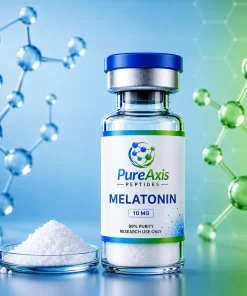

 Botulinum Toxin
$136.00
Botulinum Toxin
$136.00
Reviews
There are no reviews yet.