



Quick Specifications
| Purity (%) | 98.9 |
|---|
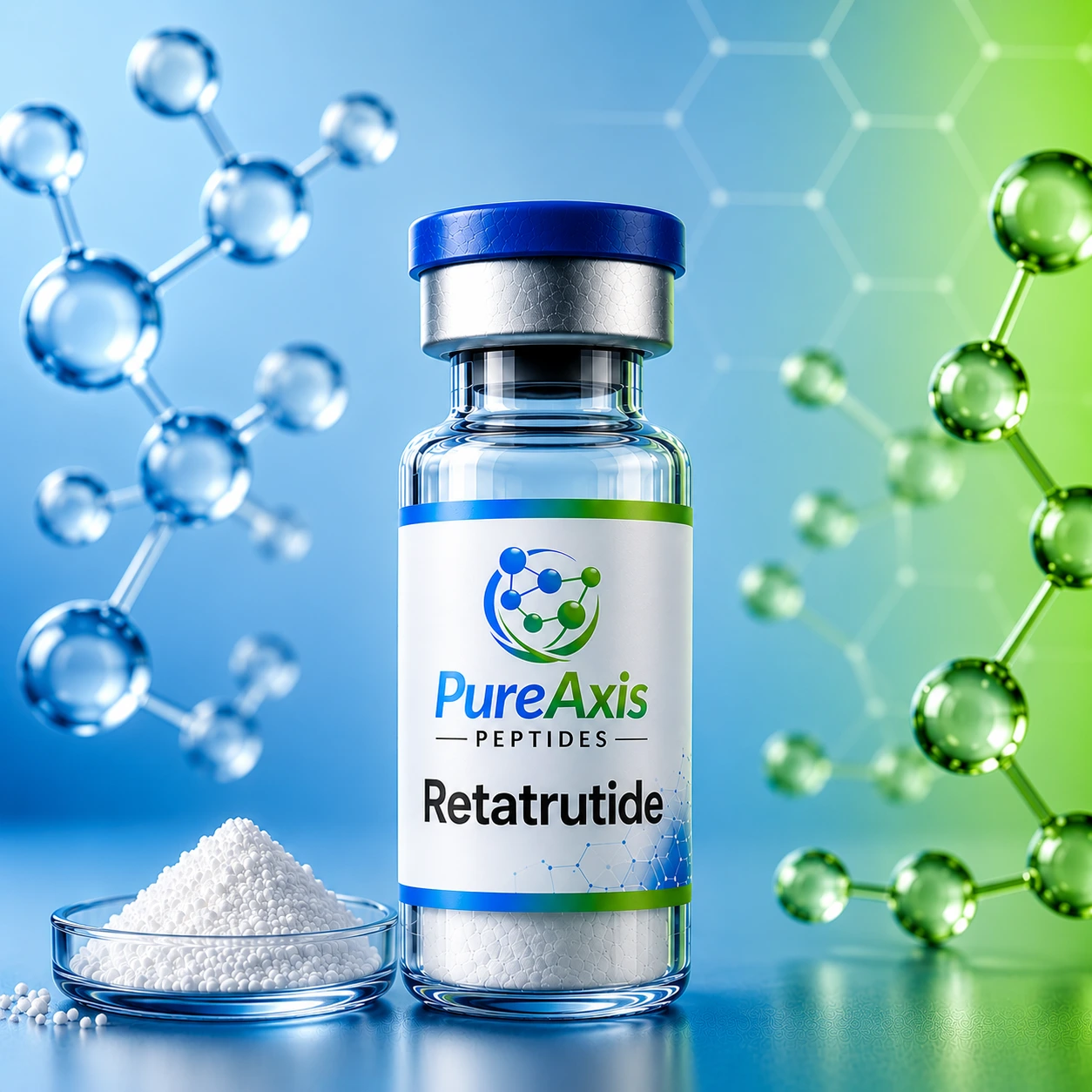
Retatrutide Research Peptide
Retatrutide, also known as LY3437943, is an investigational peptide-based molecule designed to activate three metabolic hormone receptors: glucose-dependent insulinotropic polypeptide (GIP), glucagon-like peptide-1 (GLP-1), and glucagon. This multi-receptor activity has made Retatrutide an important subject of contemporary metabolic and endocrine research.
Pure Axis Peptides offers Retatrutide as a research-use material for qualified laboratory and scientific investigations.
What Is Retatrutide?
Retatrutide is a triple hormone receptor agonist targeting GIP, GLP-1 and glucagon receptors simultaneously. Researchers are investigating how coordinated activation of these pathways may influence energy homeostasis, glucose metabolism, lipid metabolism and other aspects of metabolic physiology.
Unlike conventional GLP-1 receptor agonists, Retatrutide’s research interest comes from its combined activity across three receptor systems. This makes it particularly relevant to studies examining how multiple metabolic signaling pathways interact.
Retatrutide and Triple-Receptor Signaling
The three receptor targets provide distinct but interconnected areas of research:
GIP receptor: Research into GIP signaling includes nutrient-responsive endocrine activity and metabolic regulation.
GLP-1 receptor: GLP-1 signaling is extensively studied in glucose homeostasis, pancreatic hormone secretion, appetite-related signaling and energy balance.
Glucagon receptor: Glucagon signaling is closely associated with glucose regulation and energy-substrate metabolism.
Retatrutide provides researchers with a single experimental molecule through which these pathways can be studied together.
Retatrutide Metabolic Research
Retatrutide has become a significant research compound in metabolic science. The Phase 2 clinical study published in the New England Journal of Medicine evaluated once-weekly Retatrutide across several dose groups and found substantial reductions in body weight over 48 weeks. Gastrointestinal adverse events were among the most frequently reported events, and dose-dependent increases in heart rate were observed.
These clinical findings provide important context for researchers investigating the relationship between multi-receptor agonism and metabolic physiology, while the compound’s investigational status remains important when interpreting the evidence.
Retatrutide Research Applications
Retatrutide may be relevant to laboratory research involving:
- GIP receptor signaling
- GLP-1 receptor signaling
- Glucagon receptor biology
- Triple-receptor agonism
- Glucose metabolism
- Energy homeostasis
- Metabolic signaling
- Endocrine research
- Appetite and energy-balance pathways
- Lipid and substrate metabolism
- Peptide pharmacology
Retatrutide and Energy Homeostasis
One of the central research questions surrounding Retatrutide is how simultaneous GIP, GLP-1 and glucagon receptor activation affects energy intake and energy expenditure.
The Phase 2 Retatrutide study reported substantial changes in body weight and waist circumference, supporting continued investigation of the compound’s multi-pathway metabolic effects. The researchers proposed that combining GLP-1 and GIP activity with glucagon receptor activation could influence energy intake, substrate utilization and energy expenditure.
These findings should be understood as clinical research evidence rather than as a basis for self-administration or treatment claims.
Retatrutide Research Status
Retatrutide remains an investigational molecule. As of July 2026, Eli Lilly states that Retatrutide is being studied in Phase 3 clinical trials across obesity and several metabolic and related conditions and is not yet available for public use.
This distinction is important for research-focused product content. Retatrutide’s clinical development provides substantial scientific literature for researchers to examine, but investigational status means ongoing trials continue to evaluate its safety and efficacy.
Retatrutide for Laboratory Research
Researchers interested in Retatrutide can investigate the compound in the broader context of peptide pharmacology, receptor signaling and metabolic biology.
Potential research areas include:
Receptor Pharmacology: Comparing signaling characteristics across GIP, GLP-1 and glucagon receptor systems.
Metabolic Biology: Studying pathways involved in glucose and energy metabolism.
Endocrine Research: Examining nutrient-responsive hormone signaling.
Energy-Balance Research: Investigating molecular pathways associated with energy intake and expenditure.
Multi-Agonist Research: Comparing triple-agonist approaches with single- and dual-receptor agonists.
Available Retatrutide Research Configurations
The Pure Axis Peptides catalog lists Retatrutide research configurations in:
- 5 mg
- 10 mg
- 15 mg
- 20 mg
- 30 mg
- 40 mg
- 50 mg
The CSV identifies these configurations as 10-vial products. Researchers should always verify the current product specification, certificate of analysis and applicable documentation before conducting laboratory work.
Explore Related Metabolic Research Peptides
Retatrutide belongs to the Pure Axis Peptides GLP-1 & Metabolic Peptides collection.
Researchers studying related metabolic compounds can also explore the Semaglutide research peptide and other materials within the Peptides collection.
For the wider selection of laboratory materials, visit Research Chemicals or Shop All Products.
Research Use Only
Retatrutide supplied by Pure Axis Peptides is intended strictly for laboratory and scientific research. It is not intended for human consumption, self-administration, diagnosis, treatment, cure, or prevention of any disease or medical condition. Retatrutide remains an investigational molecule, and clinical-trial findings should not be interpreted as an authorization for personal use. Researchers should evaluate all materials against their experimental requirements, product documentation and applicable laboratory procedures.
Internal Linking Recommendations
Primary Internal Links
- GLP-1 & Metabolic Peptides →
https://pureaxispeptides.com/product-category/peptides/glp-1-metabolic/ - Semaglutide →
https://pureaxispeptides.com/product/semaglutide/ - Peptides →
https://pureaxispeptides.com/product-category/peptides/ - Research Chemicals →
https://pureaxispeptides.com/product-category/research-chemicals/ - Shop All Products →
https://pureaxispeptides.com/shop/
Confirm the live WooCommerce URLs before publishing if the site’s permalink structure has changed.
External Scientific References
- New England Journal of Medicine — Phase 2 Retatrutide Trial:
https://www.nejm.org/doi/full/10.1056/NEJMoa2301972 - Eli Lilly — Retatrutide research status and FAQ:
https://www.lilly.com/news/stories/what-to-know-about-retatrutide - Eli Lilly — 2026 Phase 3 TRIUMPH-1 results:
https://investor.lilly.com/news-releases/news-release-details/lillys-triple-agonist-retatrutide-delivered-powerful-weight-loss - ClinicalTrials.gov — Retatrutide clinical research:
https://clinicaltrials.gov/search?term=retatrutide
Product Tags
Retatrutide, Retatrutide Peptide, Retatrutide Research Peptide, Retatrutide Research, LY3437943, GIP, GLP-1, Glucagon, GIP GLP-1 Glucagon, Triple Agonist, Triple Hormone Agonist, GIP Research, GLP-1 Research, Glucagon Research, GLP-1 Receptor Agonist, Metabolic Peptide, Metabolic Research, Metabolic Research Peptide, Energy Homeostasis, Endocrine Research, Peptide Pharmacology, Receptor Signaling, Research Peptide, Laboratory Research
| Purity (%) | 98.9 |
|---|---|
| Lab Tested | yes |
| Research Grade | yes |
| Third Party Tested | yes |
| Strength | 10mg, 15mg, 20mg, 30mg, 40mg, 50mg, 5mg |
|---|---|
| Volume | 10 vials |
Be the first to review “Retatrutide”
Need Assistance?
Our research specialists are here to help with product selection and technical questions.
Related products

Blends
BlendsCagrilintide 5mg + Semaglutide 5mg Blend
$176.00Dual metabolic peptide blend for weight management research
GLP-1 & Metabolic
GLP-1 & Metabolic Price range: $37.00 through $73.00Pre-filled tirzepatide pen for convenient research dosing

GLP-1 & Metabolic
GLP-1 & Metabolic Price range: $49.00 through $244.00Dual GIP/GLP-1 receptor agonist for advanced metabolic research

GLP-1 & Metabolic
GLP-1 & Metabolic Price range: $122.00 through $244.00Long-acting amylin analog for metabolic research

GLP-1 & Metabolic
GLP-1 & Metabolic $195.00Dual GLP-1/glucagon agonist for next-generation metabolic research

GLP-1 & Metabolic
GLP-1 & Metabolic Price range: $46.00 through $131.00Long-acting GLP-1 receptor agonist for metabolic research
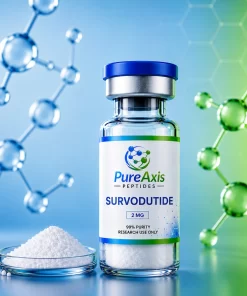
 Retatrutide
Price range: $95.00 through $380.00
Retatrutide
Price range: $95.00 through $380.00
Reviews
There are no reviews yet.