


HCG

Price range: $85.00 through $165.00
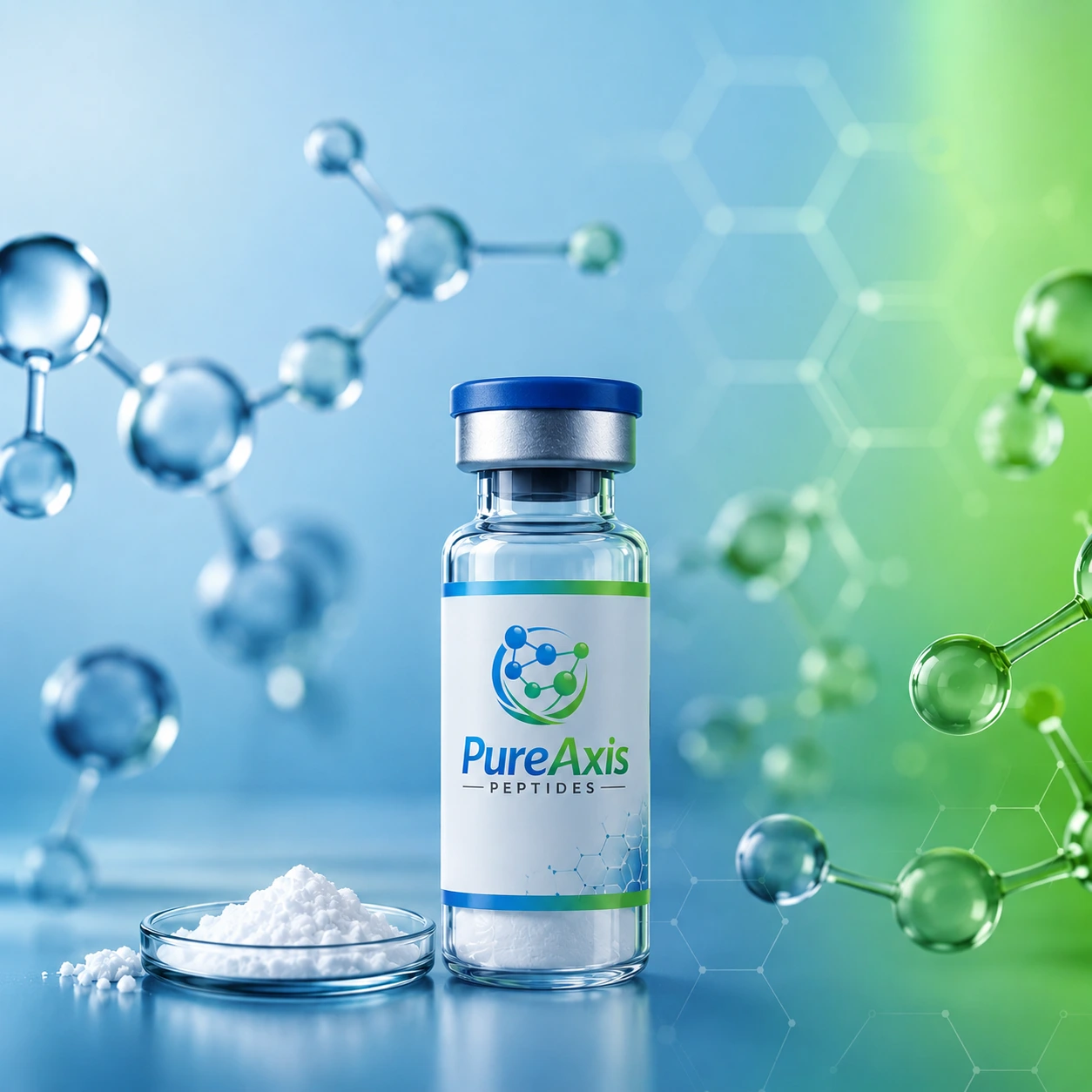
HCG (Human Chorionic Gonadotropin) is a glycoprotein hormone used extensively in reproductive biology and endocrine research. It mimics luteinizing hormone (LH) activity and is studied for its effects on gonadal function and hormone regulation.
Quick Specifications
| Purity (%) | 98.9 |
|---|
HCG — SEO Product Content
SEO Title
HCG Human Chorionic Gonadotropin | LH Receptor Research
SEO Meta Description
HCG human chorionic gonadotropin research material for studies of LHCGR signaling, steroidogenesis, gonadal function, reproductive endocrinology and fertility biology.
Suggested URL Slug
/product/hcg-human-chorionic-gonadotropin/
SEO Product Description
HCG Human Chorionic Gonadotropin Research Material
HCG (Human Chorionic Gonadotropin) is a naturally occurring glycoprotein hormone belonging to the same broader glycoprotein-hormone family as luteinizing hormone (LH), follicle-stimulating hormone (FSH) and thyroid-stimulating hormone (TSH).
HCG is composed of alpha and beta subunits and exerts important biological effects through the luteinizing hormone/choriogonadotropin receptor (LHCGR). This makes HCG a valuable research molecule for investigating gonadotropin signaling, steroidogenesis, reproductive endocrinology, ovarian biology and testicular function.
Pure Axis Peptides offers HCG as research material for qualified laboratory and scientific investigations.
What Is HCG?
Human chorionic gonadotropin is a glycoprotein hormone produced primarily by placental syncytiotrophoblasts during pregnancy.
Its molecular structure consists of:
- An alpha subunit
- A beta subunit
The alpha subunit shares structural similarities with other glycoprotein hormones, while the beta subunit provides much of the hormone’s biological and immunological specificity.
HCG is particularly important in research because its receptor activity overlaps with that of LH.
HCG and the LH/CG Receptor
The principal receptor associated with HCG is the luteinizing hormone/choriogonadotropin receptor (LHCGR).
LHCGR is a G-protein-coupled receptor expressed in reproductive tissues, including:
- Ovarian theca cells
- Luteal cells
- Testicular Leydig cells
When HCG activates LHCGR, intracellular signaling pathways can regulate steroidogenic and reproductive processes.
This makes HCG relevant to research involving:
- LHCGR activation
- cAMP signaling
- Protein kinase A
- Steroidogenesis
- Gonadal function
- Reproductive endocrinology
HCG and LH
HCG and LH are closely related gonadotropins because both interact with LHCGR.
However, they should not be treated as completely identical hormones.
Recent research demonstrates that LH and HCG can produce different receptor-trafficking patterns and signaling kinetics despite acting through the same receptor. Experimental studies have identified differences involving receptor internalization, recycling, β-arrestin signaling and downstream G-protein pathways.
This makes the comparison between HCG and LH an important topic in modern gonadotropin pharmacology research.
HCG and Steroidogenesis
Steroidogenesis is the biological process through which steroid hormones are produced.
HCG activates LHCGR and can stimulate steroidogenic pathways in reproductive tissues.
Research involving human luteinized granulosa cells has demonstrated HCG-dependent activation of LHCGR-associated pathways and stimulation of genes involved in steroidogenesis.
Potential research endpoints include:
- Steroidogenic enzyme expression
- Progesterone production
- Testosterone production
- cAMP signaling
- LHCGR expression
- Gonadal steroid synthesis
HCG and Leydig Cells
Leydig cells are specialized cells within the testes responsible for producing testosterone.
LHCGR is expressed on Leydig cells, allowing LH and HCG to stimulate steroidogenic signaling.
This creates an important research pathway:
HCG → LHCGR → Leydig cell → steroidogenic signaling → testosterone
HCG is therefore widely relevant to experimental research involving:
- Leydig-cell biology
- Testosterone biosynthesis
- Steroidogenic enzymes
- LHCGR signaling
- Testicular endocrinology
HCG and Testosterone Research
HCG provides an experimental model for investigating gonadotropin-dependent testosterone production.
Rather than directly supplying testosterone, HCG acts upstream through LHCGR signaling.
Research can therefore investigate:
- Leydig-cell activation
- Testosterone biosynthesis
- Steroidogenic gene expression
- LH/HCG receptor biology
- Gonadal endocrine signaling
This distinction is important when comparing HCG with androgen compounds or testosterone itself.
HCG and Ovarian Research
HCG has important biological effects in ovarian tissue.
Through LHCGR activation, HCG can influence ovarian steroidogenesis and luteal function.
Research applications include:
- Theca-cell biology
- Granulosa-cell biology
- Corpus luteum function
- Progesterone production
- Steroidogenesis
- LHCGR signaling
HCG has consequently become an important experimental molecule in ovarian and reproductive-endocrinology research.
HCG and Granulosa Cells
Granulosa cells are specialized ovarian cells surrounding the developing oocyte.
LHCGR expression increases during follicular maturation, allowing LH and HCG to influence granulosa-cell signaling.
Experimental studies in human luteinized granulosa cells have demonstrated that HCG can maintain LHCGR expression and stimulate steroidogenesis-related gene expression.
Potential research endpoints include:
- LHCGR expression
- Steroidogenic genes
- Progesterone production
- Granulosa-cell signaling
- Follicular maturation
HCG and Theca Cells
Theca cells are important sources of ovarian androgen production.
LH/LHCGR signaling stimulates steroidogenic activity in these cells.
HCG provides a research model for studying:
- Theca-cell steroidogenesis
- Androgen production
- LHCGR signaling
- Ovarian endocrine regulation
This contributes to the broader understanding of how gonadotropins regulate ovarian hormone production.
HCG and Corpus Luteum Research
After ovulation, the ovarian follicle develops into the corpus luteum.
The corpus luteum produces progesterone and plays a major role in maintaining the endometrial environment during the early stages of pregnancy.
LHCGR signaling is important for corpus-luteum function, making HCG relevant to research involving:
- Luteal-cell biology
- Progesterone production
- LHCGR signaling
- Ovarian steroidogenesis
- Reproductive endocrinology
HCG and Pregnancy Biology
One of HCG’s best-known physiological roles is its function during early pregnancy.
HCG is produced by placental trophoblasts and acts as an important embryonic signal.
Research has identified HCG involvement in:
- Corpus-luteum maintenance
- Maternal-fetal signaling
- Uterine vascular biology
- Immune modulation
- Placental biology
HCG is therefore a major research molecule in maternal-fetal and reproductive biology.
HCG and Trophoblast Research
Trophoblasts are specialized cells that form important components of the placenta.
Differentiated syncytiotrophoblasts are a major source of HCG during pregnancy.
Research into trophoblast HCG production can examine:
- Placental differentiation
- HCG synthesis
- Maternal-fetal signaling
- Placental endocrinology
- Trophoblast biology
HCG and Angiogenesis Research
HCG has also been investigated in relation to angiogenesis, the formation and remodeling of blood vessels.
Research reviews describe HCG-associated signaling in uterine endothelial tissue and its potential role in the vascular adaptations associated with pregnancy.
This makes HCG relevant to experimental studies involving:
- Endothelial cells
- Vascular signaling
- Placental angiogenesis
- Uterine vascular biology
- Maternal-fetal physiology
HCG and Maternal-Fetal Signaling
HCG is an important signaling molecule at the maternal-fetal interface.
Experimental literature has described potential roles involving:
- Immune modulation
- Trophoblast function
- Endometrial signaling
- Uterine vascular adaptation
- Placental development
These functions make HCG particularly valuable for research into the molecular biology of early pregnancy.
HCG and Reproductive Endocrinology
HCG sits within the broader network of reproductive hormones.
Important relationships include:
GnRH → pituitary → LH/FSH
and, separately:
Placental trophoblast → HCG
HCG can then activate:
HCG → LHCGR → gonadal signaling
This makes HCG an important research tool for investigating how gonadotropin signals regulate reproductive tissues.
HCG and Fertility Research
HCG has a long history of investigation within reproductive medicine and assisted reproduction.
Experimental research can examine:
- Gonadotropin signaling
- Follicular maturation
- Ovulatory biology
- Corpus-luteum function
- Steroidogenesis
- LHCGR activation
For research purposes, HCG provides an experimentally useful ligand for investigating LH/CG receptor biology.
HCG and Ovulation Research
HCG has LH-like receptor activity and has historically been used in reproductive research examining the final stages of follicular maturation and ovulatory physiology.
Research questions can include:
- LHCGR activation
- Follicular maturation
- Oocyte maturation
- Ovulatory signaling
- Luteal development
These are research applications and should not be presented as instructions for clinical fertility treatment.
HCG and Male Reproductive Research
HCG is also relevant to male reproductive endocrinology.
Because LHCGR is expressed by Leydig cells, HCG can be used experimentally to investigate:
- Testicular steroidogenesis
- Leydig-cell function
- Testosterone biosynthesis
- Gonadotropin signaling
- Male reproductive endocrinology
This provides an important connection between HCG and research involving the hypothalamic-pituitary-gonadal axis.
HCG and Spermatogenesis Research
Spermatogenesis depends on coordinated signaling involving both FSH and LH-related pathways.
HCG primarily models the LH/LHCGR component of this system.
Research can therefore investigate:
- Leydig-cell testosterone production
- Intratesticular endocrine signaling
- Sertoli-cell environment
- Gonadotropin interactions
- Spermatogenic support
HCG should not, however, be represented as equivalent to FSH or HMG, which provide different gonadotropin activity.
HCG vs. HMG
HCG and HMG (human menopausal gonadotropin/menotropin) are distinct gonadotropin preparations.
HCG
- Human chorionic gonadotropin
- Primarily LHCGR activity
- LH-like receptor signaling
- Relevant to steroidogenesis and reproductive research
HMG
- Menotropin preparation
- Contains FSH and LH activity
- Relevant to both FSHR and LHCGR research
This makes HCG and HMG complementary but non-equivalent research materials.
Explore HMG for related gonadotropin research.
HCG vs. Gonadorelin
HCG and Gonadorelin act at different levels of the reproductive axis.
Gonadorelin
→ GnRH receptor
→ Pituitary
→ LH/FSH release
HCG
→ LHCGR
→ Gonadal signaling
This makes the two compounds useful for investigating different stages of reproductive endocrine signaling.
Explore Gonadorelin for related GnRH research.
HCG vs. Gonadorelin Acetate
Gonadorelin and HCG should not be treated as interchangeable.
Gonadorelin models the hypothalamic GnRH signal, while HCG acts directly at the LH/CG receptor.
This distinction can be summarized as:
Gonadorelin → pituitary gonadotropin release
HCG → direct LHCGR activation
Explore Gonadorelin Acetate for related reproductive-endocrine research.
HCG and LHCGR Signaling
The HCG/LHCGR system is a particularly valuable research model for studying GPCR signaling.
Research has identified multiple signaling pathways downstream of LHCGR, including:
- cAMP
- Protein kinase A
- G-protein signaling
- β-arrestin pathways
- Receptor internalization
- Endosomal signaling
Recent research indicates that HCG and LH can produce different receptor-trafficking signatures even though they activate the same receptor.
This creates opportunities for advanced research into biased agonism and receptor pharmacology.
HCG and cAMP Signaling
LHCGR activation is strongly associated with adenylyl cyclase and cAMP signaling.
This pathway can regulate downstream protein kinase activity and steroidogenic gene expression.
Experimental HCG research can therefore measure:
- cAMP accumulation
- Protein kinase A activity
- Steroidogenic gene expression
- Receptor activation
- Cellular signaling
HCG and β-Arrestin Research
β-arrestins are multifunctional signaling proteins involved in GPCR desensitization, internalization and alternative signaling pathways.
Recent studies comparing LH and HCG have demonstrated differences in receptor trafficking and β-arrestin-associated signaling.
This makes HCG particularly interesting for advanced GPCR pharmacology research.
HCG and Biased Agonism
The concept of biased agonism describes situations in which different ligands acting at the same receptor preferentially activate different signaling pathways.
HCG and LH provide an interesting example.
Although both hormones activate LHCGR, experimental studies have identified differences in:
- Potency
- Efficacy
- Signaling kinetics
- β-arrestin recruitment
- Receptor trafficking
- Steroidogenic responses
This makes HCG useful in receptor-pharmacology studies investigating ligand-specific signaling.
HCG Research Applications
HCG may be relevant to laboratory studies involving:
LHCGR Research: Investigating LH/CG receptor activation.
Gonadotropin Research: Studying reproductive hormone signaling.
Steroidogenesis: Investigating gonadal steroid production.
Leydig-Cell Research: Studying testicular endocrine function.
Ovarian Research: Investigating follicular and luteal signaling.
Granulosa-Cell Research: Studying LHCGR-dependent steroidogenesis.
Corpus-Luteum Research: Investigating luteal function.
Trophoblast Research: Studying placental HCG production.
Maternal-Fetal Research: Investigating early pregnancy signaling.
Angiogenesis Research: Studying vascular signaling.
GPCR Research: Investigating receptor activation and trafficking.
Biased-Agonism Research: Comparing HCG and LH signaling.
Reproductive Endocrinology: Studying the hypothalamic-pituitary-gonadal axis.
HCG Research Material
Researchers should verify the current Pure Axis Peptides product specification, exact HCG identity, potency, purity, formulation, source, storage requirements and batch-specific certificate of analysis (COA) before laboratory use.
HCG is a complex glycoprotein rather than a conventional short synthetic peptide. Its alpha/beta subunit composition and glycosylation are relevant to biological activity and analytical characterization.
For reproducible experiments, researchers should document the exact HCG preparation and analytical specifications used.
Explore Related Research
HCG fits naturally into a broader reproductive endocrinology and gonadotropin research cluster.
Explore HMG for combined FSH/LH gonadotropin research.
Explore Gonadorelin for GnRH and pituitary-gonadotropin research.
Explore Gonadorelin Acetate for related reproductive-endocrine research.
Explore Kisspeptin-10 for upstream reproductive-axis signaling research.
Browse the Peptides collection for additional research materials.
Visit Shop All Products for the complete Pure Axis Peptides catalog.
Research Use Only
HCG supplied by Pure Axis Peptides is intended strictly for laboratory and scientific research. It is not intended for human consumption, self-administration, diagnosis, treatment, cure, or prevention of any disease or medical condition. HCG is a biologically active glycoprotein hormone with established pharmaceutical and clinical applications in certain jurisdictions, but research-grade material should not be represented as an approved pharmaceutical product. Experimental findings regarding fertility, testosterone, steroidogenesis, pregnancy or other biological effects should not be interpreted as medical advice or treatment recommendations. Researchers should evaluate all materials according to their experimental requirements, product documentation and applicable laboratory procedures.
Internal Linking Recommendations
Primary Internal Links
- HMG →
https://pureaxispeptides.com/product/hmg/ - Gonadorelin →
https://pureaxispeptides.com/product/gonadorelin/ - Gonadorelin Acetate →
https://pureaxispeptides.com/product/gonadorelin-acetate/ - Kisspeptin-10 →
https://pureaxispeptides.com/product/kisspeptin-10/ - Peptides →
https://pureaxispeptides.com/product-category/peptides/ - Shop All Products →
https://pureaxispeptides.com/shop/
Verify the exact live WooCommerce URLs before publishing.
Recommended Internal-Link Anchors
Use varied contextual anchors such as:
- “HCG research material”
- “human chorionic gonadotropin research”
- “HCG hormone research”
- “gonadotropin research”
- “LH receptor research”
- “LHCGR research”
- “steroidogenesis research”
- “Leydig-cell research”
- “ovarian gonadotropin research”
- “reproductive endocrinology research”
- “gonadotropin signaling”
- “HCG and LH research”
Recommended Site Architecture
Build a dedicated reproductive endocrinology cluster:
HCG
→ LHCGR
→ LH signaling
→ Steroidogenesis
→ Leydig cells
→ Granulosa cells
→ Theca cells
→ Corpus luteum
→ Trophoblasts
→ HMG
→ Gonadorelin
→ Kisspeptin-10
A strong supporting article would be:
“HCG vs HMG vs Gonadorelin: Understanding Gonadotropin Signaling”
A second article could target:
“HCG vs LH: Understanding LHCGR Signaling and Receptor Pharmacology”
This second article is especially valuable because newer research demonstrates that HCG and LH can produce distinct receptor-trafficking and signaling profiles despite sharing LHCGR.
External Scientific References
- PubMed — HCG biological functions and clinical applications:
HCG: Biological Functions and Clinical Applications - FDA — HCG molecular composition and regulatory information:
FDA Guidance on Human Chorionic Gonadotropin - PubMed — HCG/LHCGR signaling in human granulosa cells:
HCG and LHCGR Expression in Human Luteinized Granulosa Cells - PubMed — HCG and LH receptor trafficking:
LH and HCG Differential LHCGR Trafficking - PubMed — HCG receptor mechanism:
Human Chorionic Gonadotropin, Its Receptor and Mechanism of Action
Product Tags
HCG, hCG, HCG Peptide, Human Chorionic Gonadotropin, Human Chorionic Gonadotrophin, Chorionic Gonadotropin, Chorionic Gonadotrophin, HCG Research, HCG Research Material, HCG Research Peptide, Gonadotropin Research, Gonadotropin Research Material, LH Receptor, LHCGR, LH/CG Receptor, Luteinizing Hormone Receptor, Gonadotropin Signaling, Steroidogenesis Research, Leydig Cell Research, Testosterone Research, Testicular Research, Ovarian Research, Granulosa Cell Research, Theca Cell Research, Corpus Luteum Research, Reproductive Endocrinology, Reproductive Biology, Fertility Research, Gonadal Research, Trophoblast Research, Placental Research, Maternal Fetal Research, Pregnancy Biology Research, GPCR Research, Receptor Pharmacology, Biased Agonism, cAMP Signaling, Beta Arrestin Research, Endocrine Research, Research Hormone, Laboratory Research
| Purity (%) | 98.9 |
|---|---|
| Lab Tested | yes |
| Research Grade | yes |
| Third Party Tested | yes |
| Strength | 10000iu, 5000iu |
|---|---|
| Volume | 10 vials |
Be the first to review “HCG”
Need Assistance?
Our research specialists are here to help with product selection and technical questions.
Related products

Reproductive & Hormonal
Reproductive & Hormonal $68.00Human Menopausal Gonadotropin for fertility research

Reproductive & Hormonal
Reproductive & Hormonal $41.00GnRH agonist for reproductive endocrine research
Reproductive & Hormonal
Reproductive & Hormonal Price range: $66.00 through $130.00Neuropeptide for reproductive hormone regulation research

Reproductive & Hormonal
Reproductive & Hormonal $35.00GnRH acetate salt for precise reproductive research

Neuroscience
Neuroscience Price range: $40.00 through $68.00Neuropeptide hormone for social behavior and bonding research
 HCG
Price range: $85.00 through $165.00
HCG
Price range: $85.00 through $165.00
Reviews
There are no reviews yet.